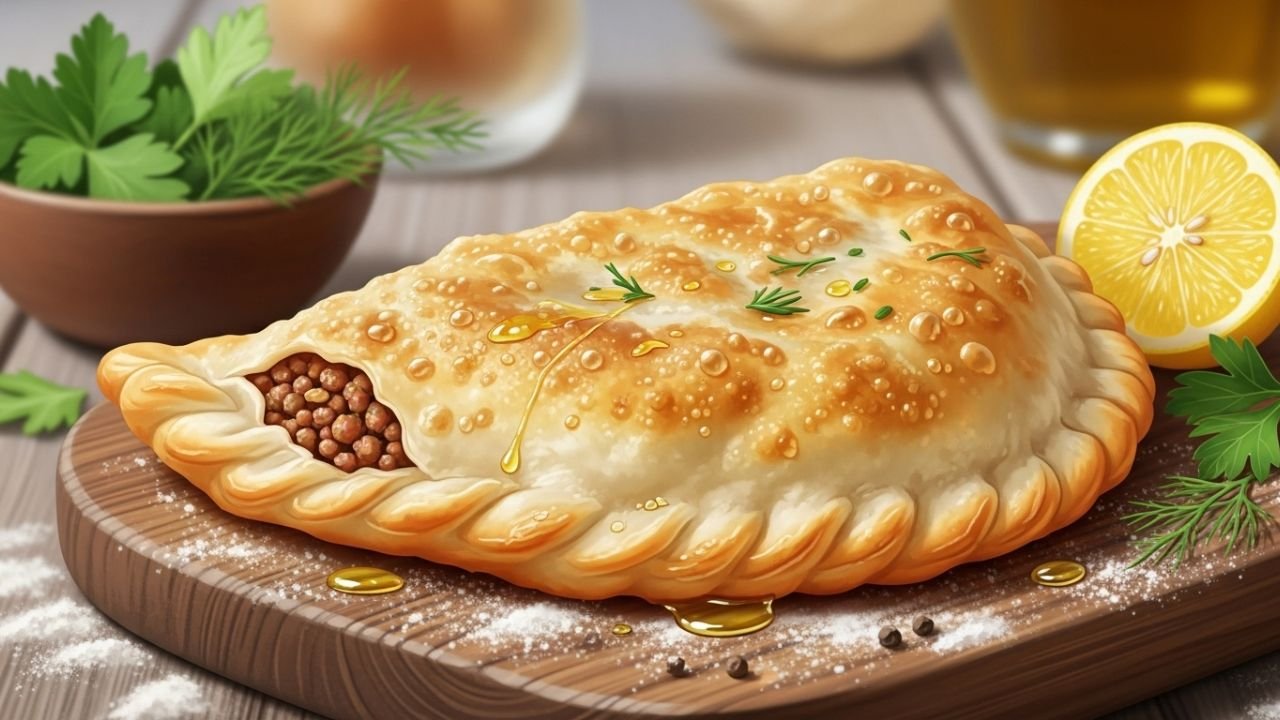
Introduction to Çbiri
Çbiri is not just a dish; it’s an experience steeped in rich tradition and cultural significance. This delightful culinary gem has roots that weave through history, bringing communities together during celebrations and gatherings. As you explore the world of çbiri, you’ll uncover its origins, its role in festive occasions, and even how it’s adapted for modern palates. Whether you’re longing to recreate this beloved dish at home or simply curious about its place in cultural heritage, there’s much to discover about çbiri that will tantalize your taste buds and ignite your curiosity. Join us as we dive deep into the flavorful journey of çbiri!
The History and Origins of Çbiri
Çbiri has deep roots in the rich tapestry of Central Asian cuisine. Its origins trace back to ancient nomadic tribes, where it served as an essential source of nourishment during long migrations.
Traditionally made from a blend of grains and dairy, this dish reflects the pastoral lifestyle of these communities. The technique for preparing çbiri was passed down through generations, often becoming a family ritual among various ethnic groups.
technique
As time progressed, each region infused its own flair into çbiri. Local spices and ingredients transformed it into a unique representation of cultural identity.
Today, çbiri is not just food; it’s a celebration of heritage and resilience. It connects past to present by uniting families around the table during festivals and gatherings. This timeless dish continues to hold significance across diverse cultures in Central Asia.
Cultural Significance of Çbiri in Traditional Celebrations
Çbiri holds a cherished spot in various traditional celebrations, often symbolizing unity and community. This dish is not merely about taste; it embodies shared experiences and cultural heritage.
During festivals, families gather to prepare Çbiri together. The process fosters bonds, as recipes are passed down through generations. Each family adds their unique twist, making every version special.
In many cultures, serving Çbiri at weddings or holidays signifies abundance and prosperity. It’s a way of welcoming guests with warmth and hospitality.
The vibrant flavors of Çbiri echo the region’s history and stories. As people come together over this dish, they celebrate not just food but also their roots and traditions.
Whether enjoyed during joyous occasions or quiet gatherings, Çbiri remains a vital part of cultural expression that transcends mere sustenance.
Modern Adaptations and Uses of Çbiri
Çbiri has transformed over the years, finding its way into contemporary cuisine. Chefs and home cooks alike are experimenting with this traditional dish, blending it with global flavors.
Some have introduced fusion variations, incorporating spices from different cultures. Imagine a spicy çbiri taco or a Mediterranean-inspired version topped with tzatziki sauce. These twists breathe new life into an age-old recipe.
Additionally, health-conscious adaptations are emerging. Many people now use whole grains or gluten-free options to create a lighter version of çbiri without losing its essence.
Social media plays a crucial role in popularizing these modern takes. Food bloggers showcase their unique interpretations, inspiring others to try making their own versions at home.
Whether served at family gatherings or trendy restaurants, çbiri continues to adapt while preserving its rich cultural roots.
How to Make Çbiri at Home
Making çbiri at home is a delightful experience. Start by gathering your ingredients: flour, yogurt, eggs, and salt.
Begin with the dough. Combine flour, a pinch of salt, yogurt, and eggs in a bowl. Knead until smooth and elastic. Let it rest for about 30 minutes.
While the dough relaxes, prepare the filling. You can use minced meat or vegetables mixed with spices to enhance flavor.
Roll out the rested dough into thin sheets. Cut them into squares or circles based on your preference.
Place a spoonful of filling in the center of each piece and fold over to seal tightly. Pinch edges to ensure they don’t open during cooking.
Boil water in a large pot and gently add your çbiri dumplings one by one. Cook until they float to the surface—this usually takes just a few minutes.
Serve hot with yogurt or melted butter drizzled on top for an authentic touch!
Conclusion: Why Çbiri is More Than Just a Traditional Dish
Çbiri transcends the notion of being merely a dish; it is a cultural artifact that carries stories and traditions. Each bite reflects centuries of heritage, connecting generations through shared experiences.
The preparation and enjoyment of çbiri foster community bonds, often bringing families together during festive gatherings. Its presence at celebrations marks not just an occasion but also a way to honor history and ancestry.
Moreover, its evolving recipes demonstrate adaptability, allowing contemporary cooks to infuse personal touches while preserving its essence. This balance keeps çbiri alive in modern kitchens, making it relevant for new generations.
Cherishing çbiri means embracing a rich tapestry woven from love, tradition, and creativity. It reminds us that food is more than sustenance—it’s about connection and identity. Such understanding elevates this traditional delight into something profoundly meaningful in our lives today.
FAQs
What does Çbiri mean?
Çbiri is a traditional dish celebrated for its unique blend of flavors and textures. Its name embodies centuries of heritage cherished by communities who prepare and share it during special occasions.
How can I make Çbiri at home?
Making çbiri at home involves gathering essential ingredients such as lamb or beef, spices like cumin and coriander, along with fresh herbs. The preparation method varies regionally but usually includes slow cooking to enhance the flavors.
Is çbiri served on specific occasions?
Yes! It holds a prominent place in various traditional celebrations ranging from weddings to religious festivals. Each event brings out the rich history associated with this beloved dish.
Are there any vegetarian versions of çbiri available?
While traditionally made with meat, creative cooks have developed vegetarian adaptations using legumes or vegetables as substitutes, maintaining the essence while catering to diverse dietary preferences.
Where can I find authentic çbiri today?
Many local restaurants specializing in traditional cuisine offer authentic versions of çbiri. Additionally, exploring food festivals focusing on regional dishes may lead you to some hidden gems!
Why should someone try making çbiri themselves?
Crafting your own version of çbiri allows you to connect deeply with its traditions while customizing it to your taste. It’s not just about the meal; it’s about creating memories around shared experiences.